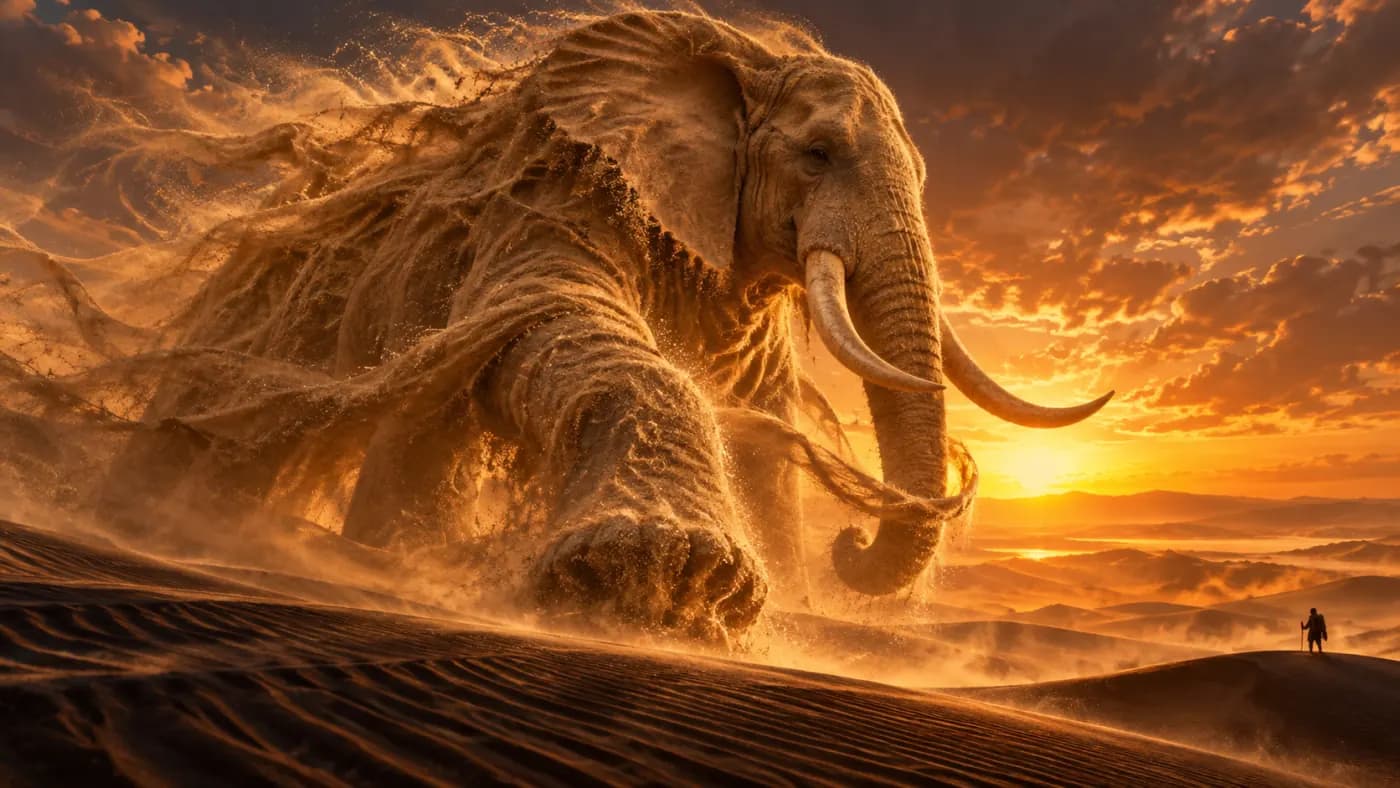
Image to Video
Give a still a life: upload a photo, describe the motion, and get a clip where the camera moves, the light shifts and the subject breathes — while staying unmistakably the same image.
Video generation is on paid plans. Your prompt and settings follow you through sign-in. See plans
Find a direction for your image
Swipe through motion references. Explore subject movement, camera work and atmosphere for your own image.
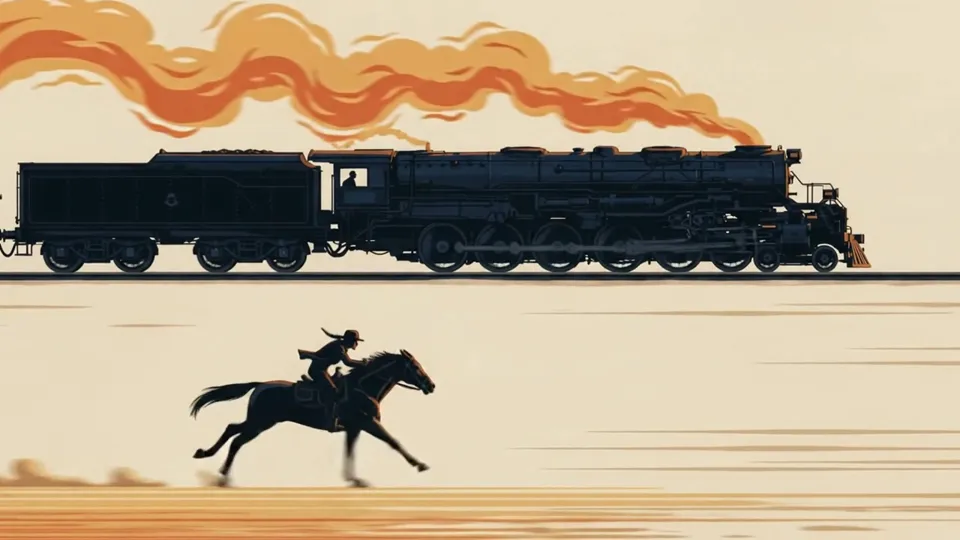
Train and rider race
Action & adventure · 10 sec
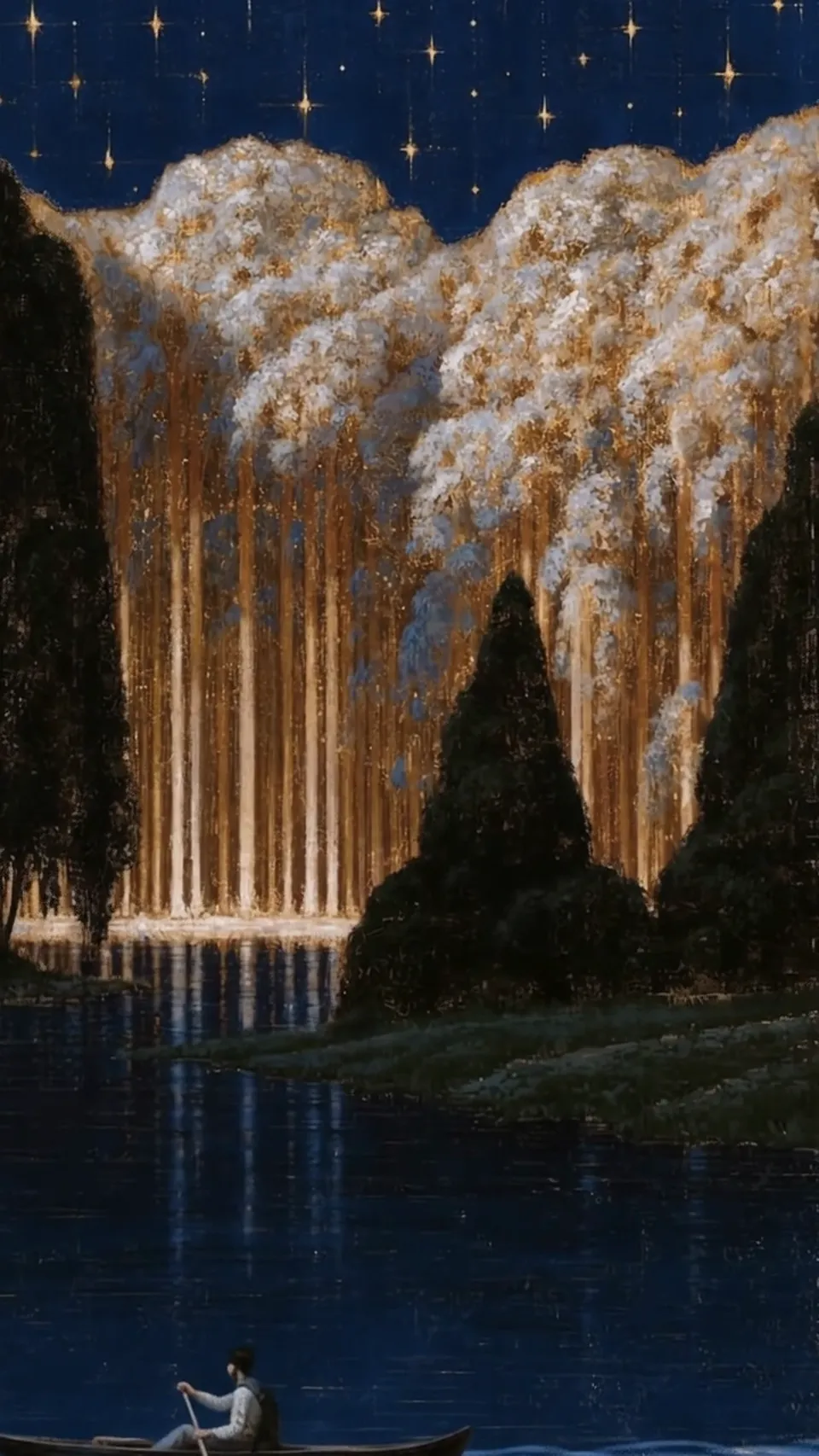
Golden forest voyage
Cinematic stories · 10 sec
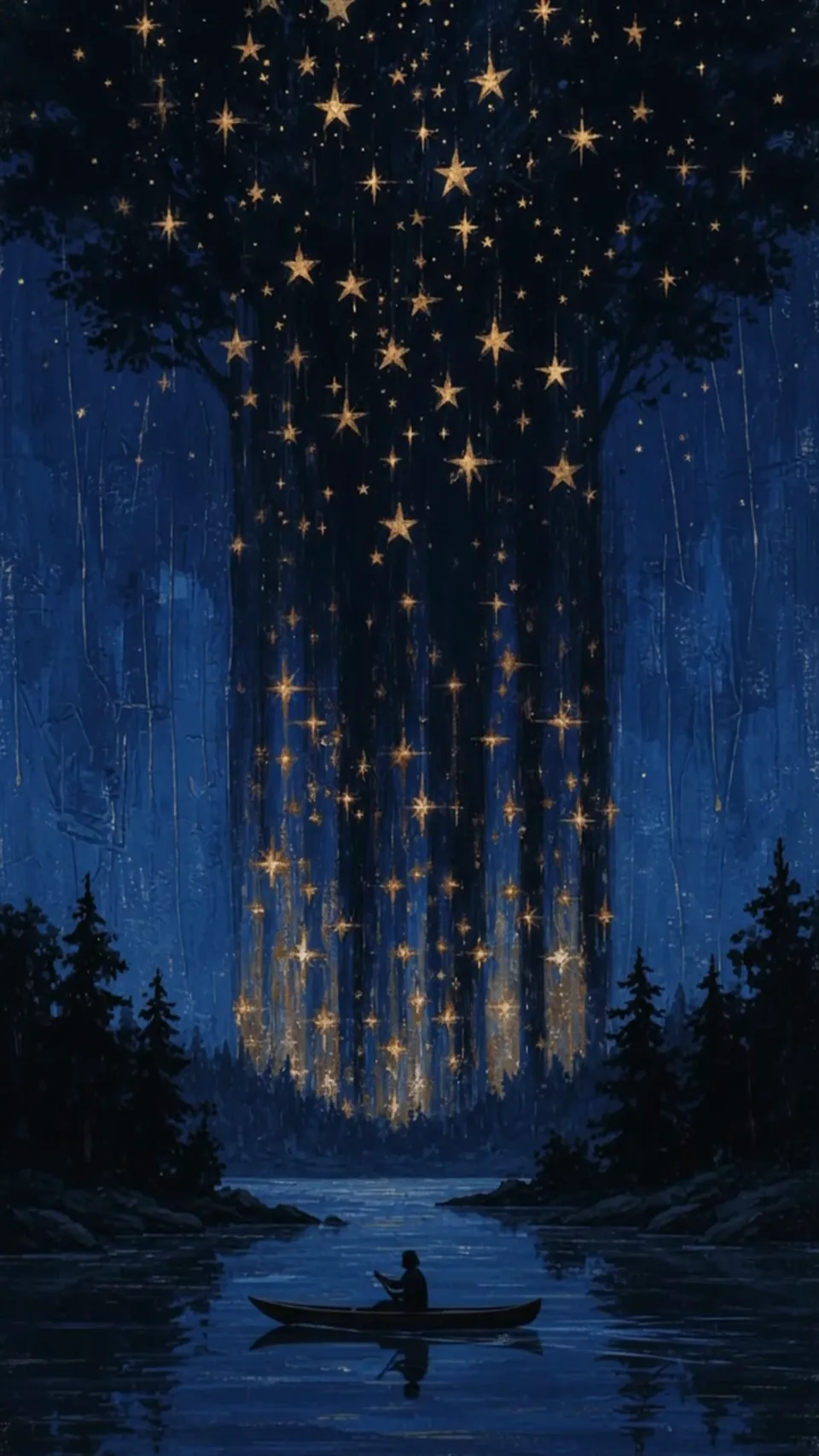
Boat under starfall
Imagined worlds · 10 sec
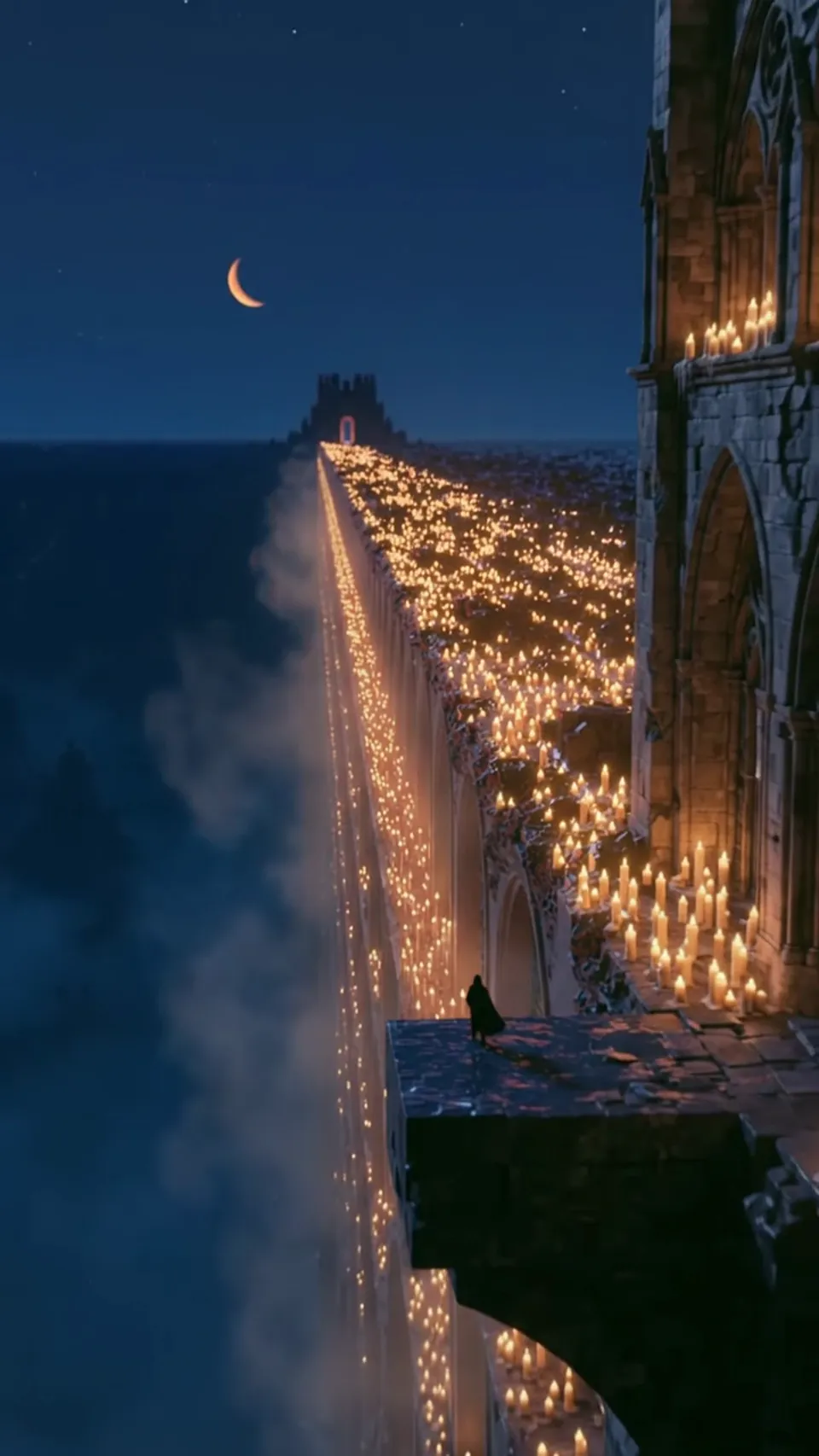
Candlelit abyss
Imagined worlds · 10 sec
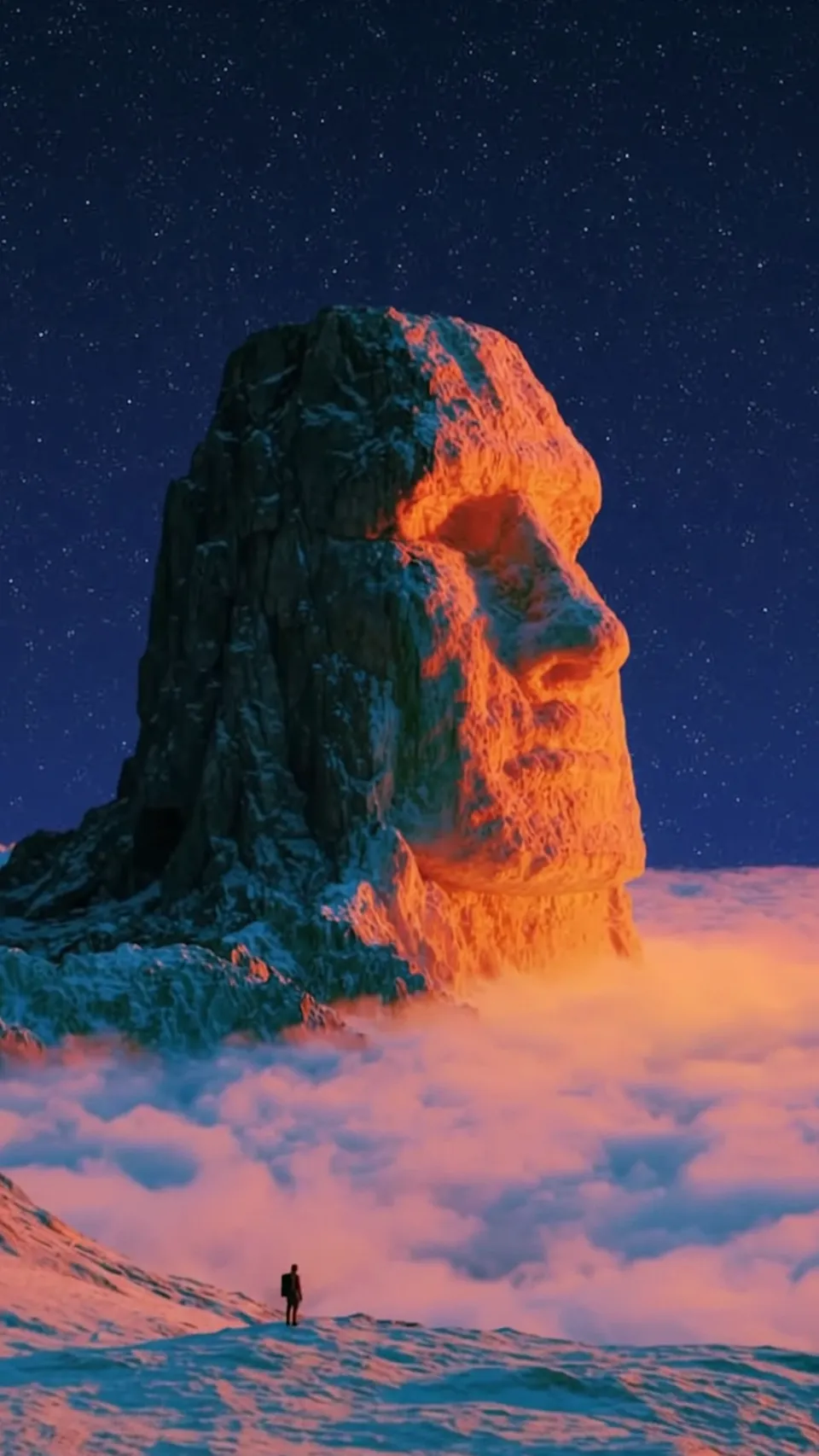
Awakening colossus
Imagined worlds · 10 sec
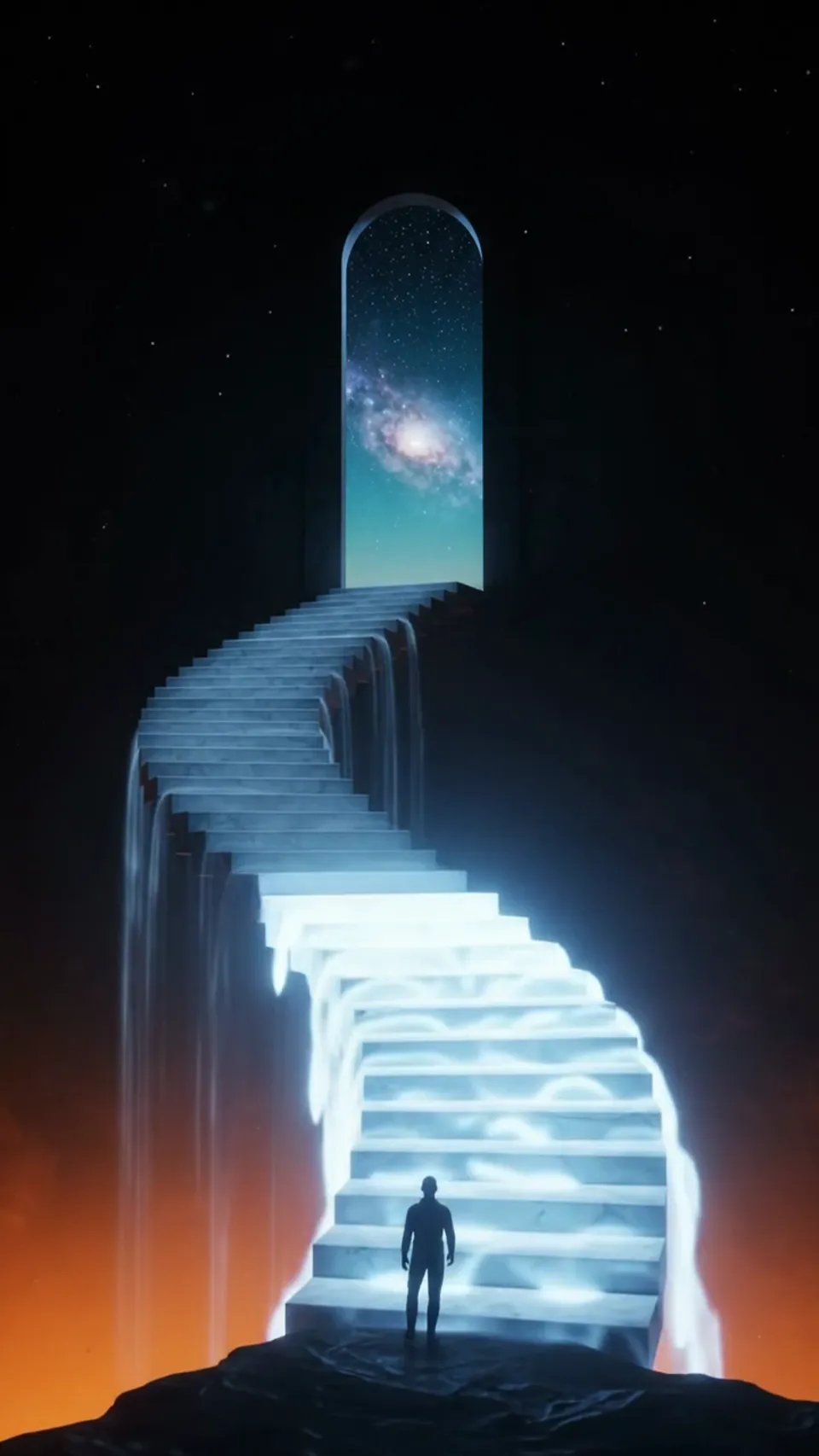
Stargate stairway
Imagined worlds · 10 sec
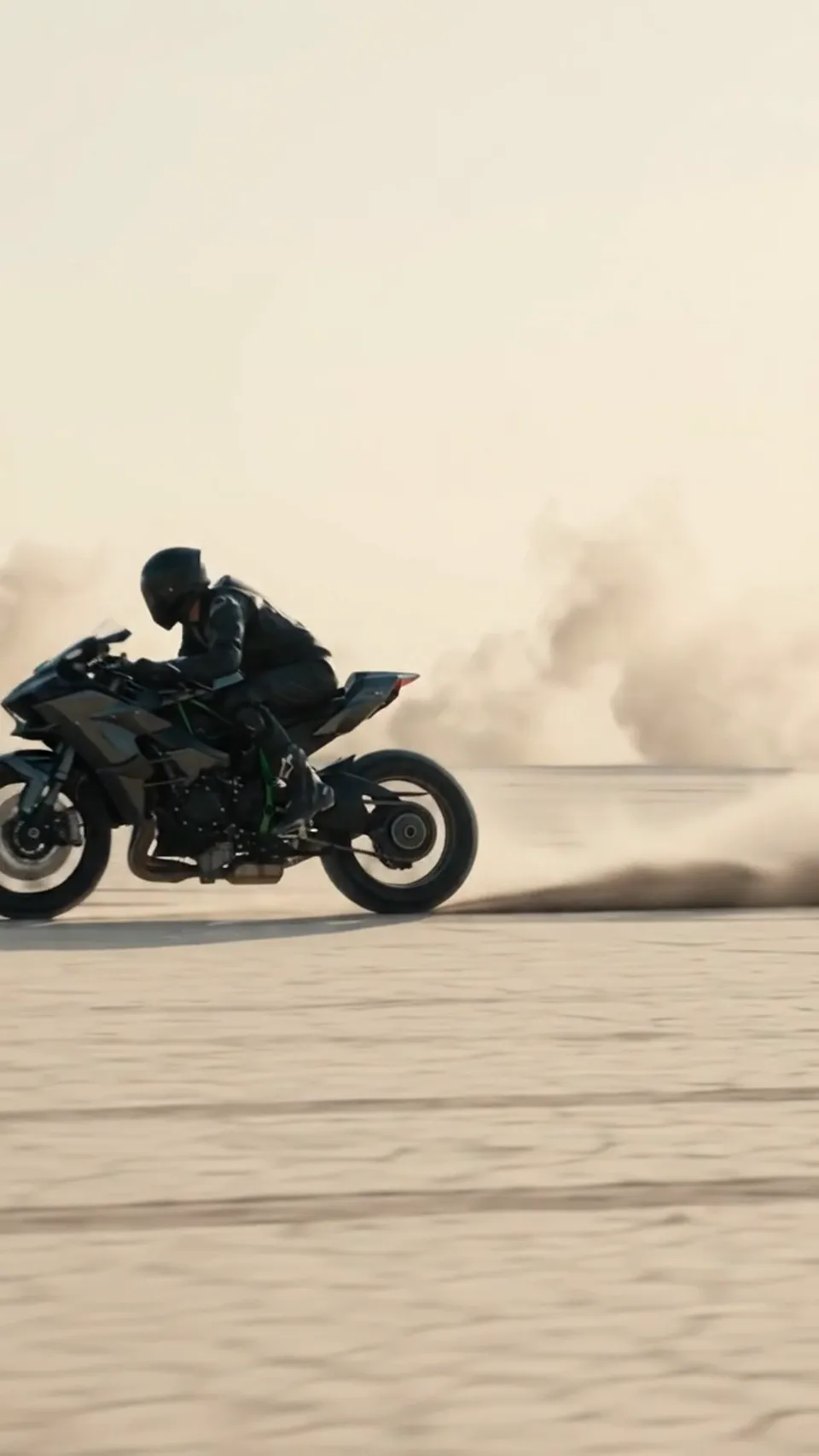
Wasteland rider
Action & adventure · 10 sec
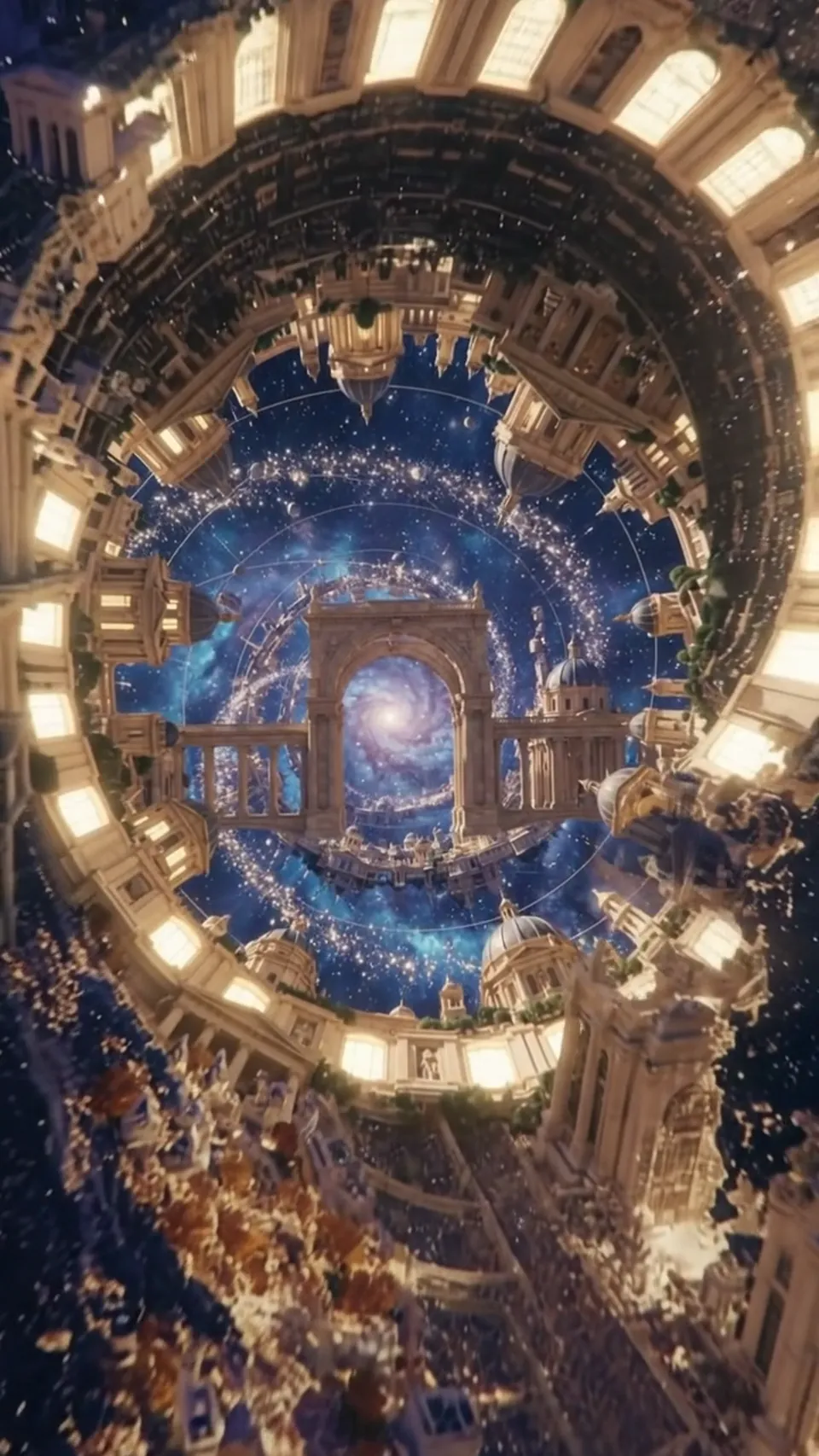
Orbital star city
Imagined worlds · 10 sec
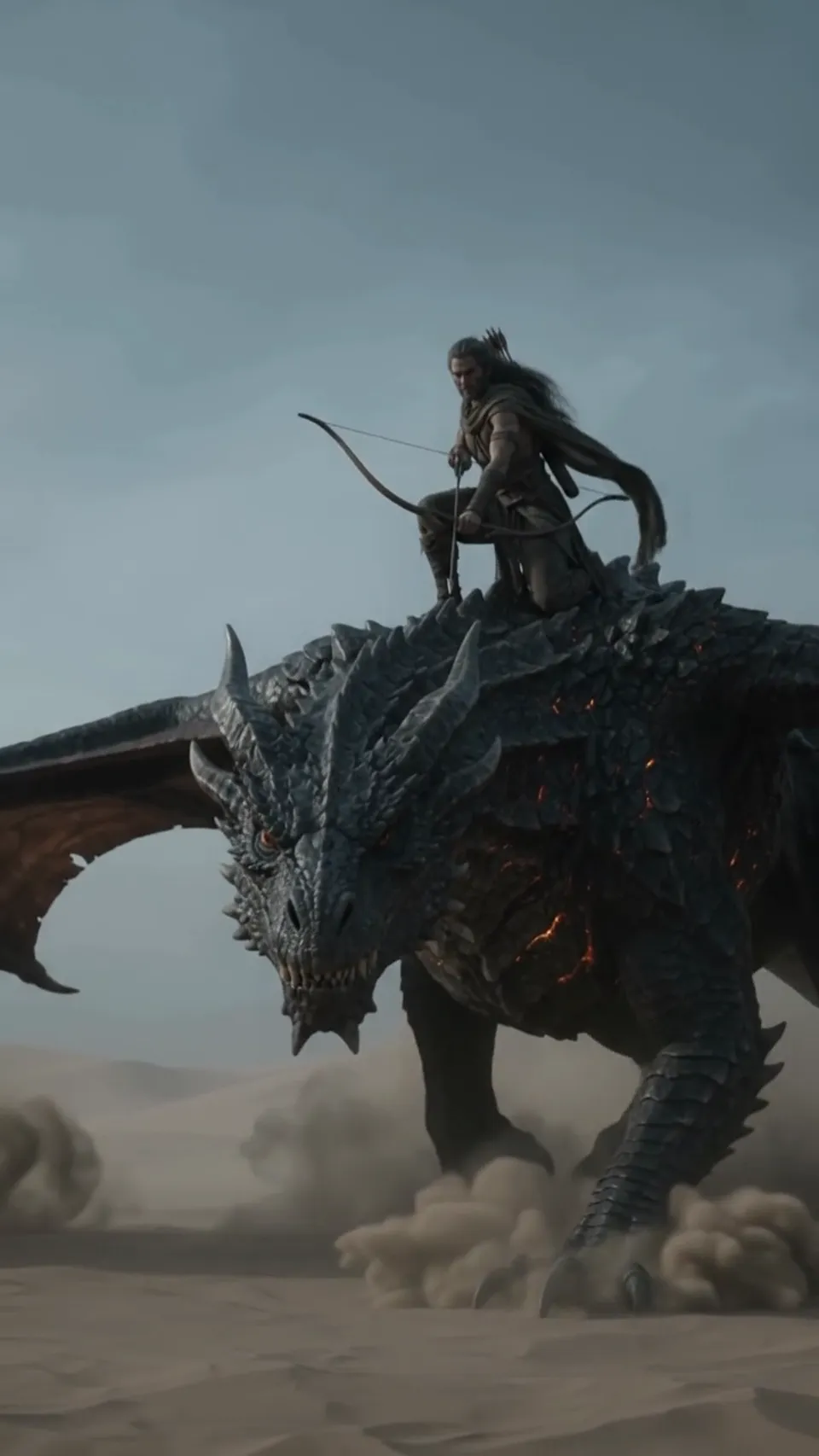
Dragonback archer
Action & adventure · 10 sec
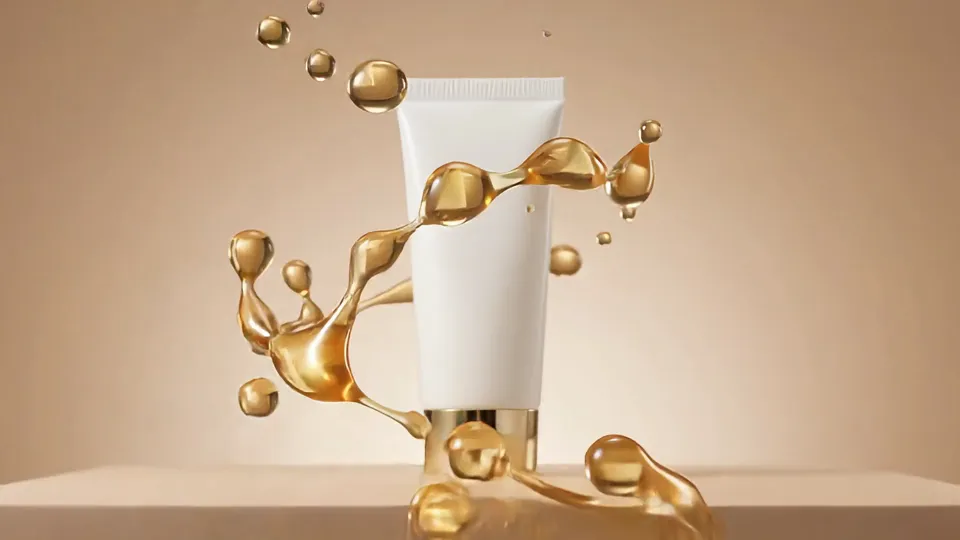
Golden skincare
Products & design · 8 sec
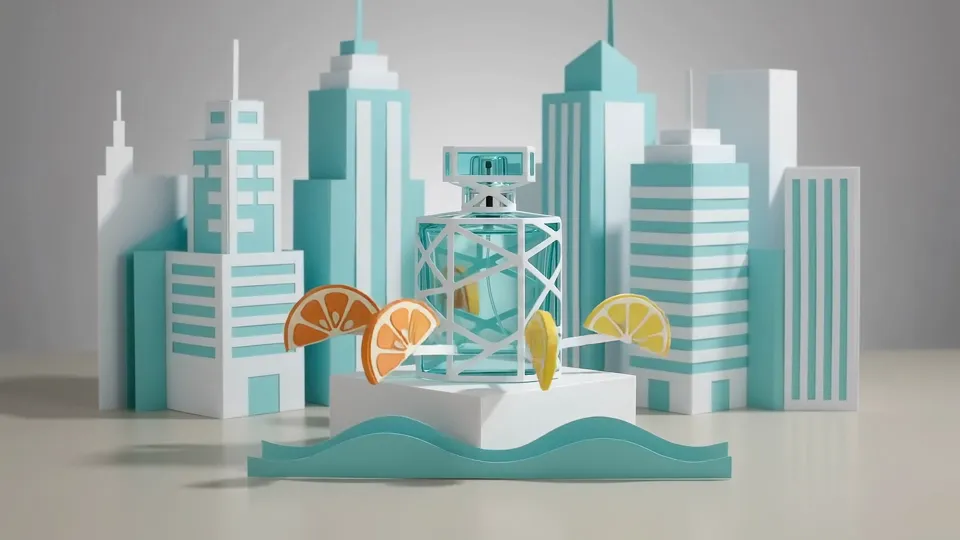
Paper perfume city
Products & design · 8 sec
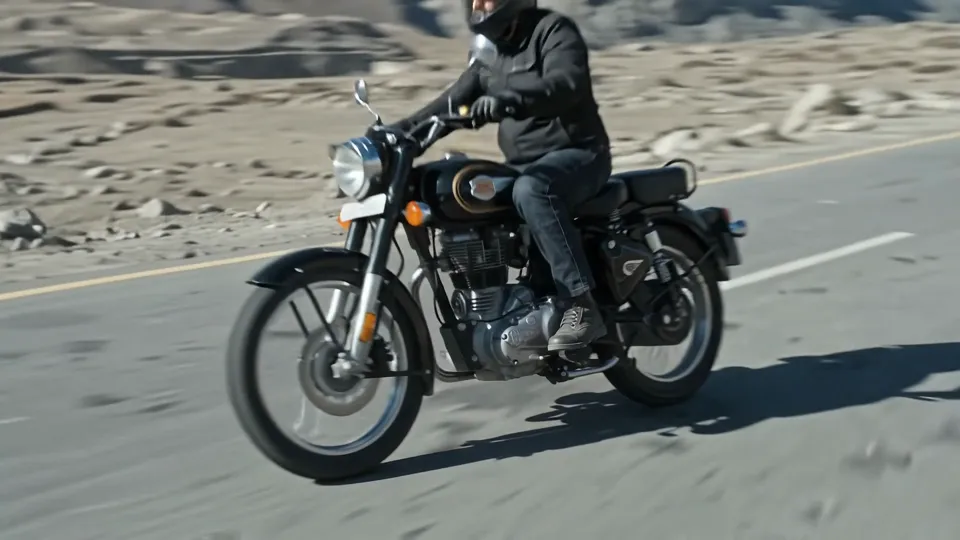
Mountain motorcycle
Action & adventure · 8 sec
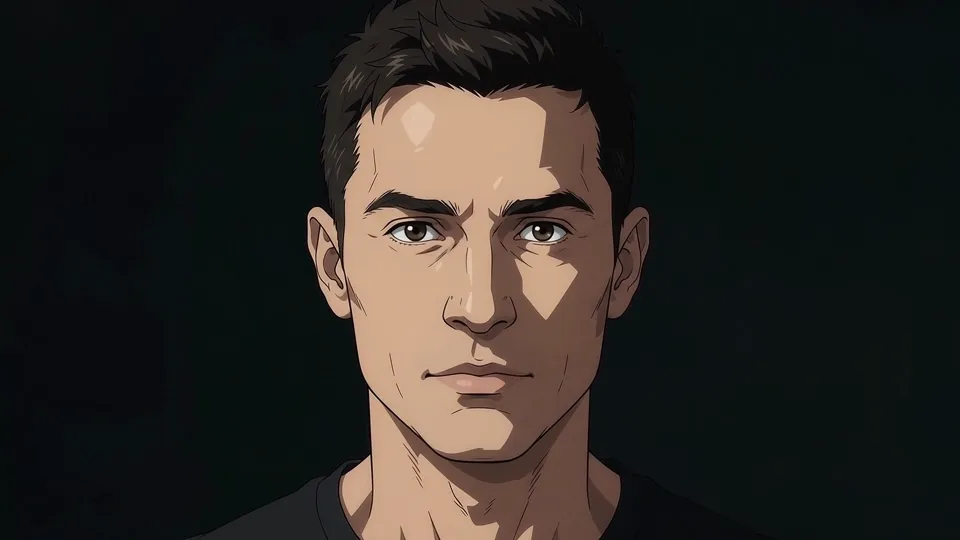
Portrait transformations
Cinematic stories · 8 sec
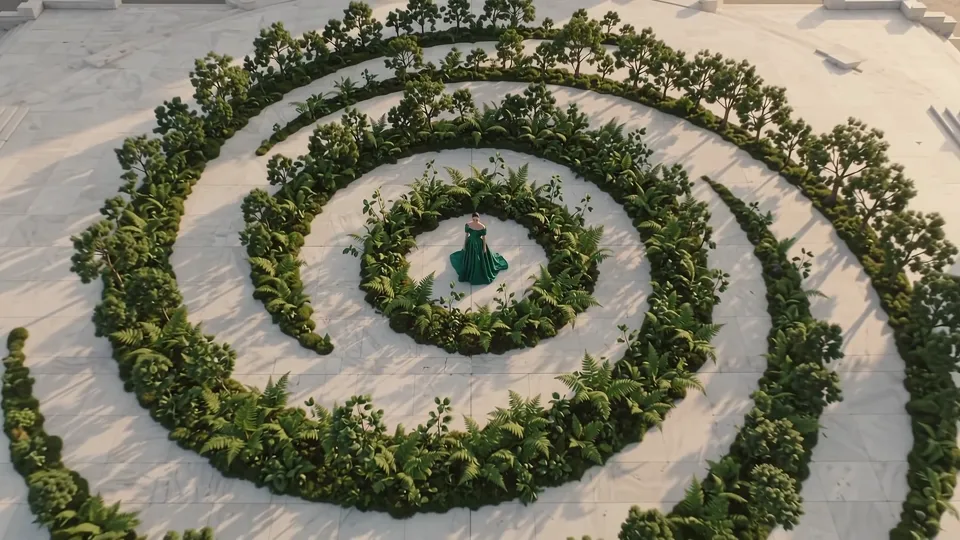
A dress becomes a forest
Products & design · 8 sec
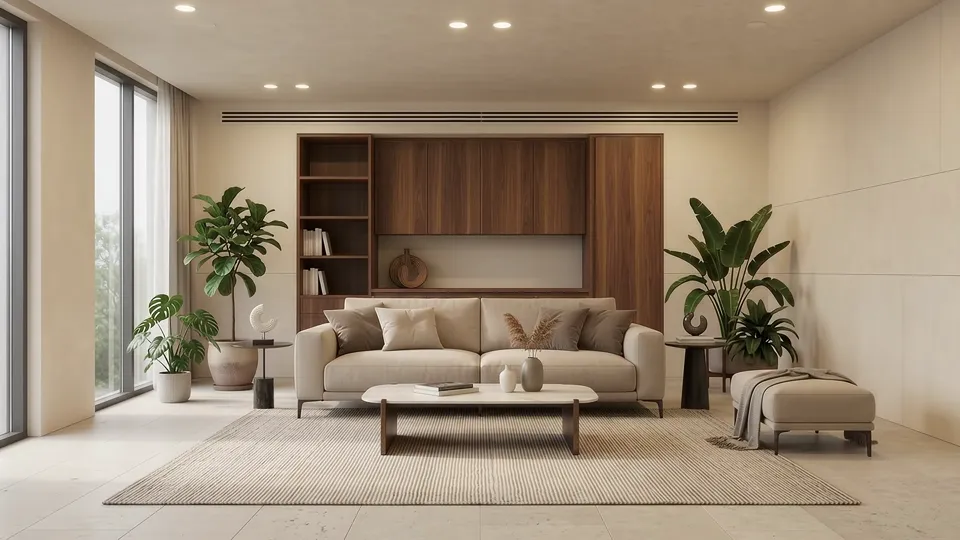
Room transformation
Products & design · 8 sec
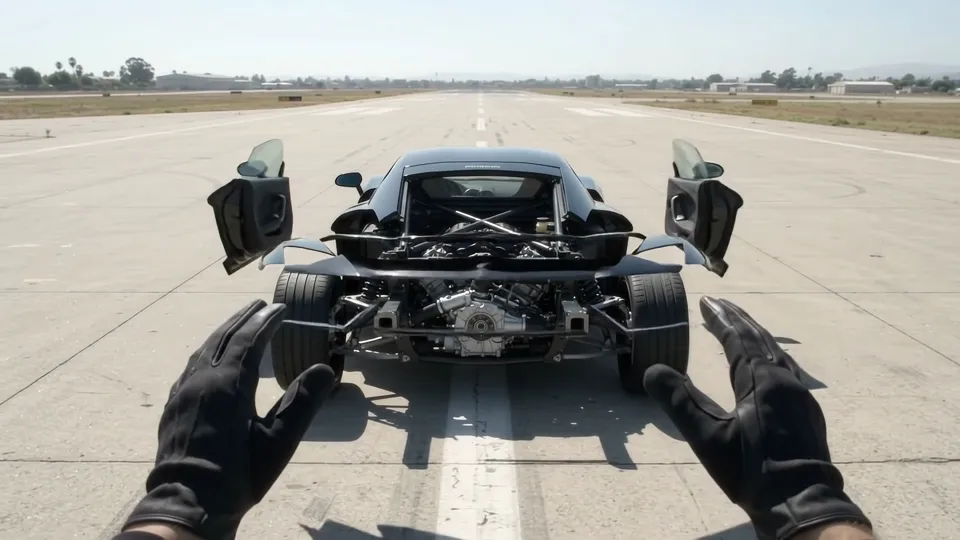
Supercar assembly
Products & design · 8 sec
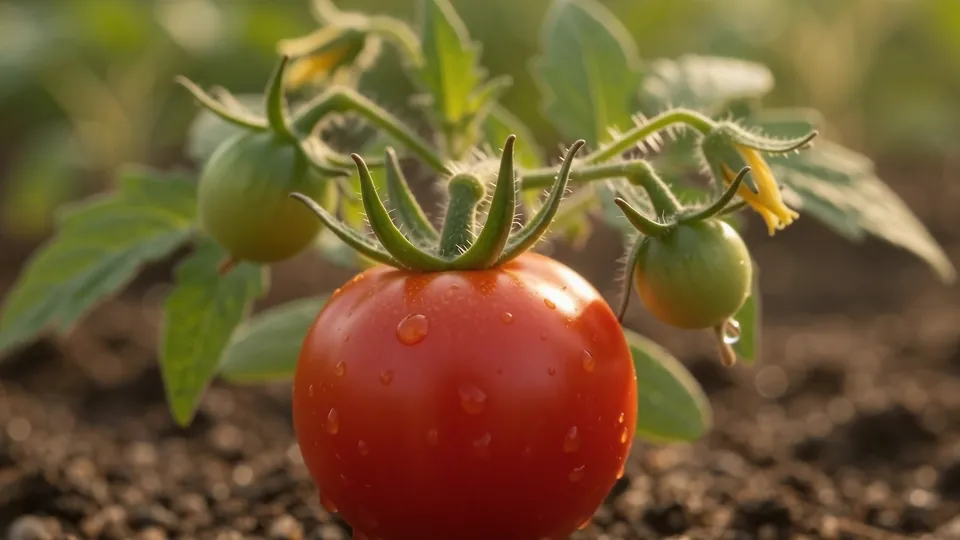
Seed to tomato
Cinematic stories · 8 sec
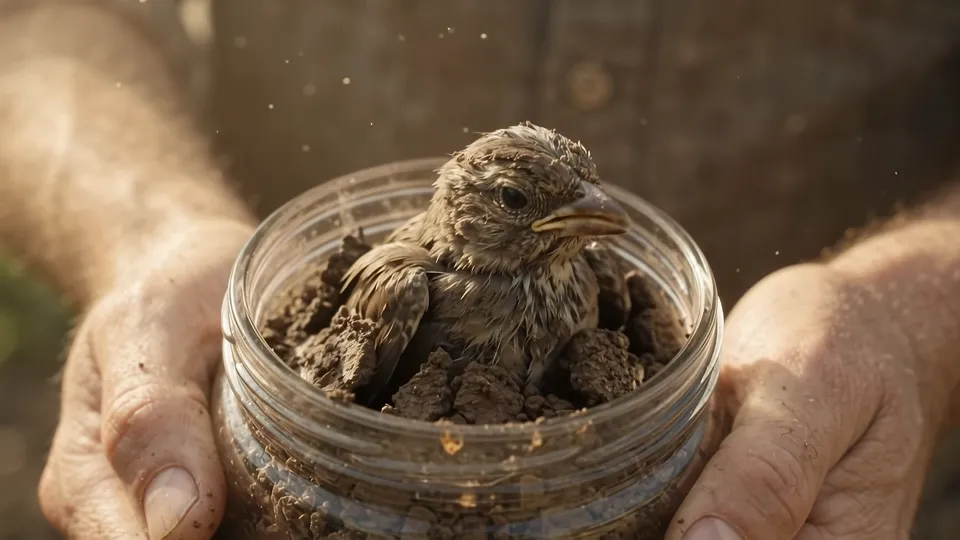
Bird from the earth
Imagined worlds · 8 sec
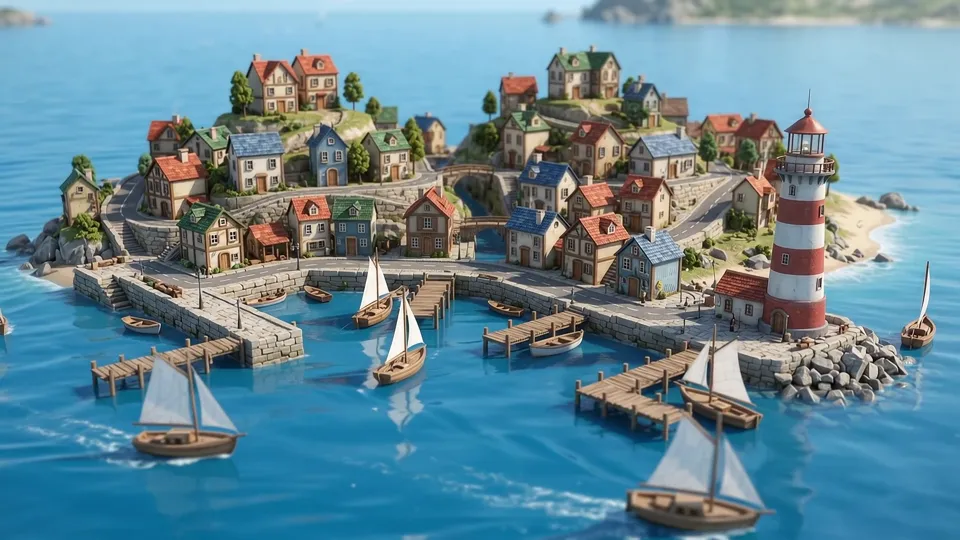
Miniature harbor
Animation · 8 sec
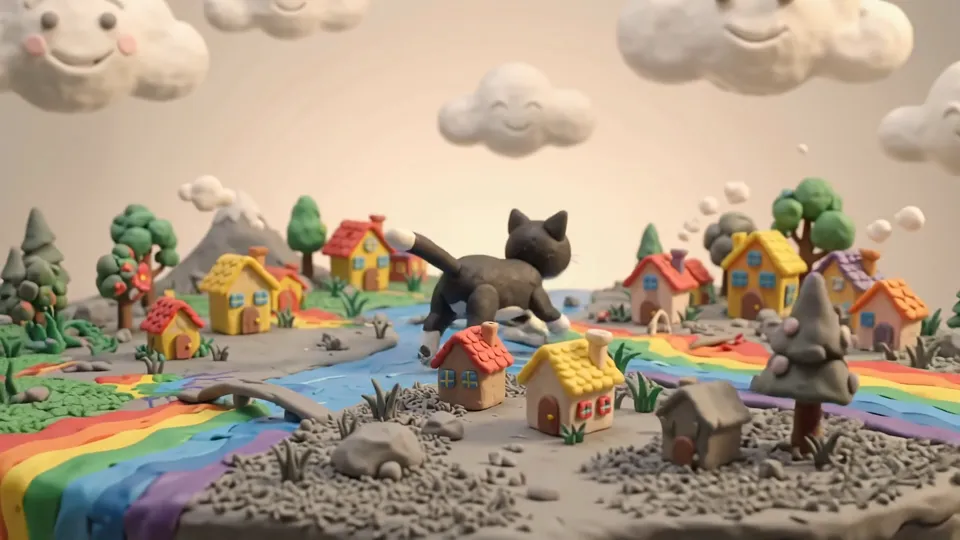
Clay cat in color
Animation · 8 sec
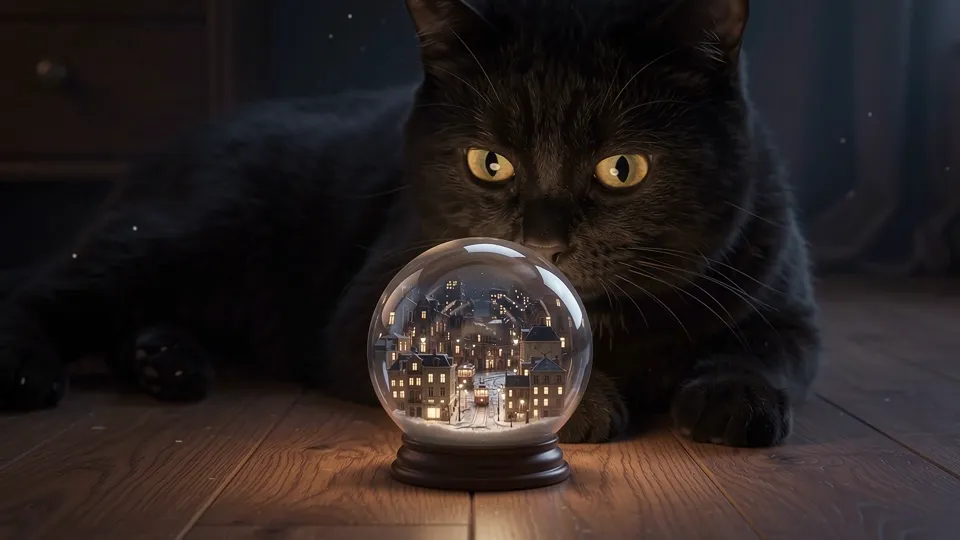
A city in a glass globe
Imagined worlds · 8 sec
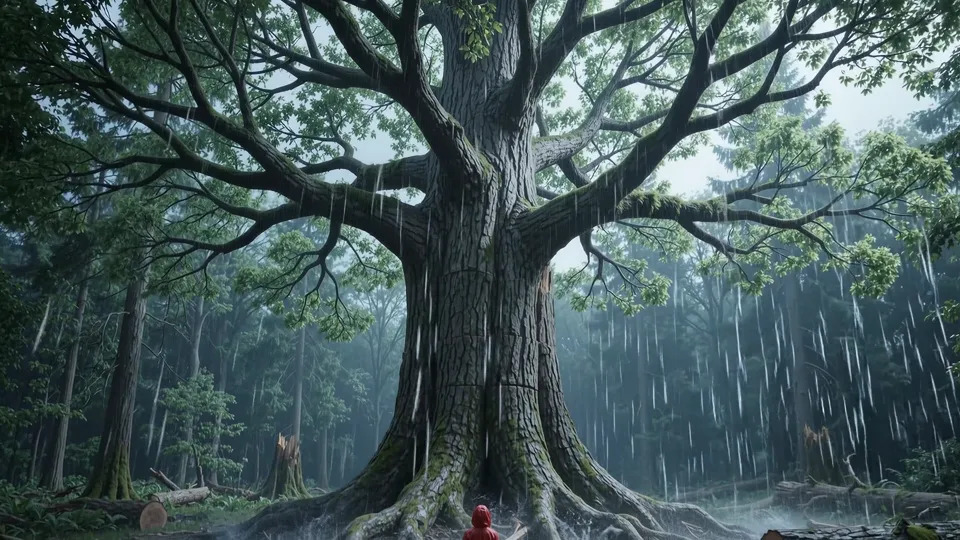
Tree reborn in rain
Cinematic stories · 8 sec
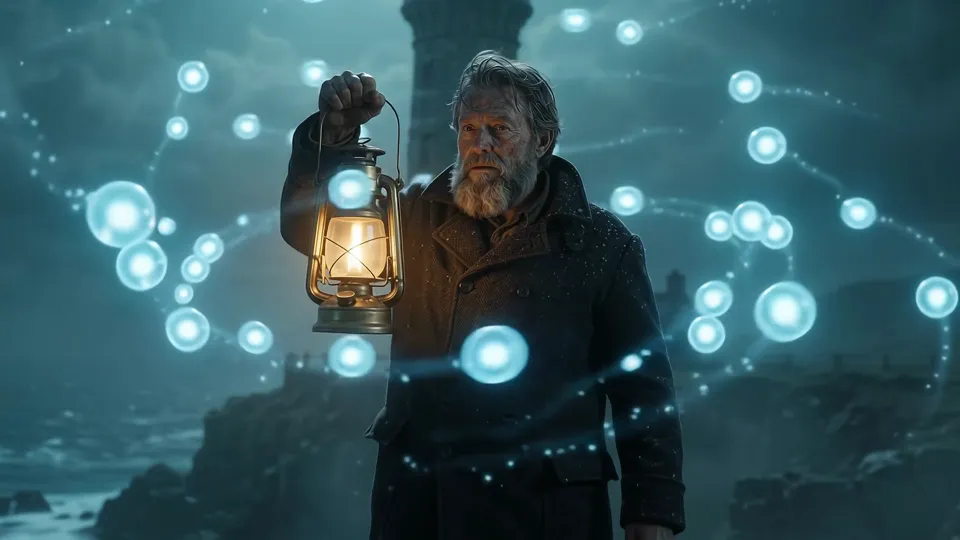
The lighthouse keeper
Cinematic stories · 8 sec
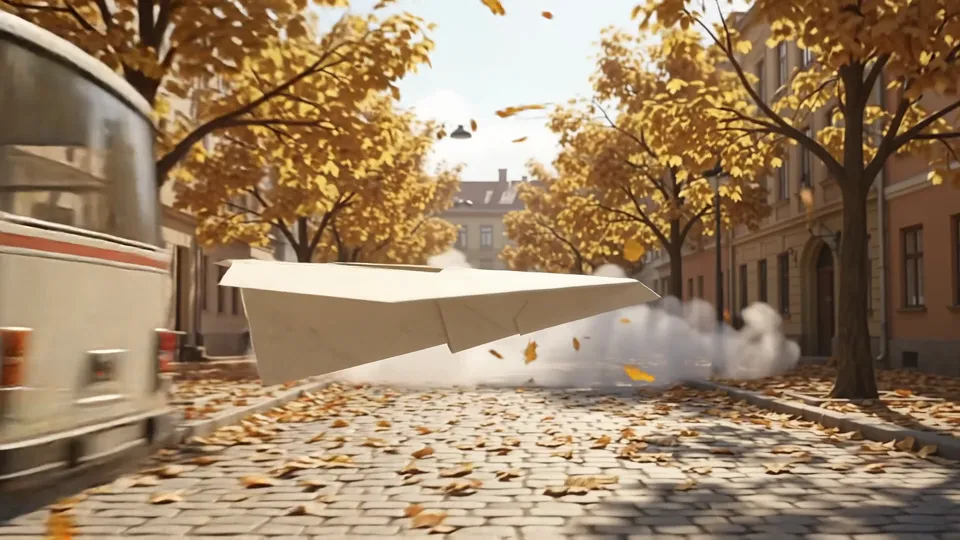
Four seasons in flight
Cinematic stories · 8 sec
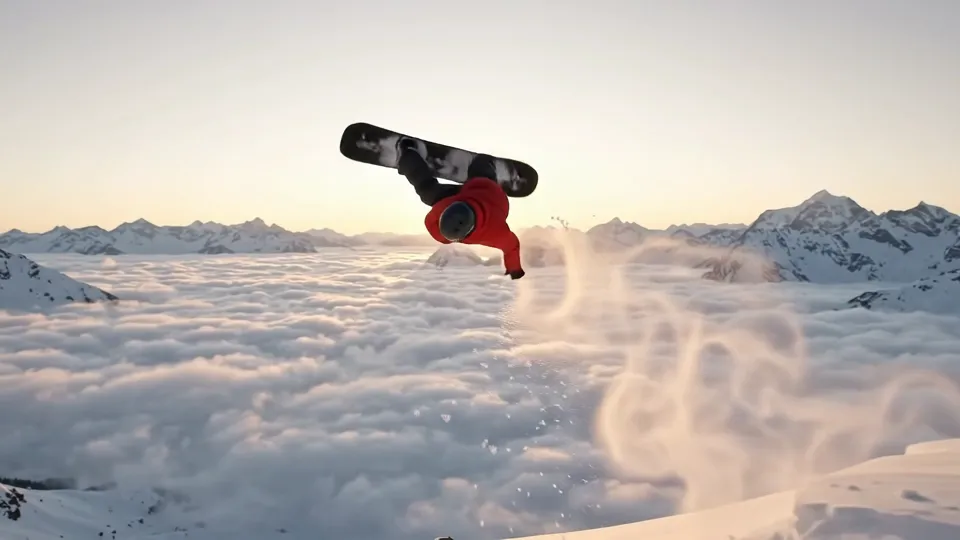
Snowboard above the clouds
Action & adventure · 8 sec
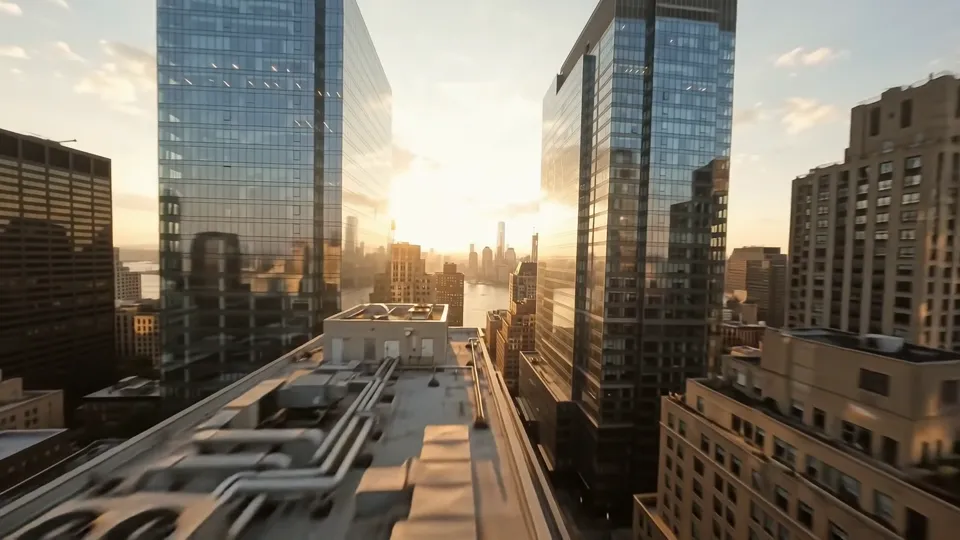
Golden hour in New York
Cinematic stories · 8 sec
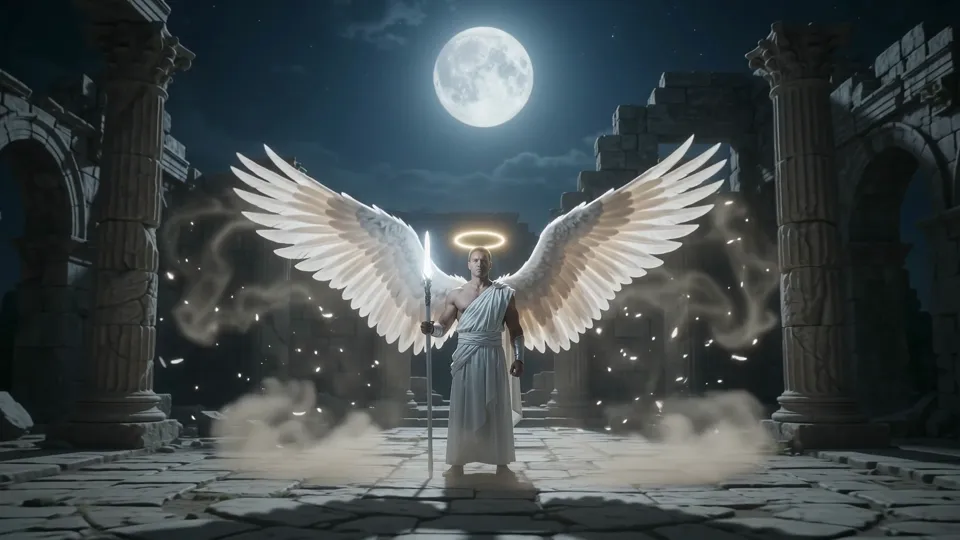
Moonlit wings
Cinematic stories · 8 sec
1 / 27
Why Image to Video on LoveImage
Run the same idea through Veo 3, Kling 2.6, Seedance 1.5 Pro and Hailuo 3 in turn and keep the take that reads best. Your prompt stays put when you switch. No second subscription.
Cloth, water, hair and smoke move the way they should. Models are ranked in-app by motion quality so you are not guessing which one handles a dolly shot.
Say “slow push-in”, “orbit”, “handheld 35mm” or “rack focus” and the model treats it as direction, not decoration.
Ambience, foley and dialogue can be generated with the picture, in sync, so a clip is finished when it renders — not when you open an editor.
Adjust the prompt and compare new takes using the available settings of your selected model.
No watermark on any plan. Paid plans carry full commercial rights, so an ad you render here can ship as-is.
Models, one subscription
Providers under one key
Maximum output
How to use Image to Video
- STEP 01Write the shot
Subject, action, camera move, light. “A courier cycles through a rain-soaked market at night, slow tracking shot, neon reflections” is enough.
- STEP 02Set the frame
Choose 16:9, 9:16, 1:1 or 21:9, whichever lengths and resolutions the model you picked supports. The cost updates as you choose.
- STEP 03Pick a model — or several
Generate with one model, then switch and run the same prompt on another. Progress streams live; most clips land in under a minute.
- STEP 04Refine and export
Reuse the prompt with a tweak, compare the result, then download your video.
Where Image to Video earns its keep
Performance ads
Ship five hooks in an afternoon and let the platform tell you which one wins. Re-render the winner in every aspect ratio.
Product launches
Hero footage for a landing page before the product photography has even been booked.
Social content
A vertical clip a day without a crew. Reuse a prompt, change one word, post.
Previs and pitch
Show a client the shot instead of describing it. Storyboards that move close deals faster.
Music and mood
Visualisers, lyric backdrops and loops that match the track’s tempo and colour.
Education and explainers
Illustrate a process, a place or a period without licensing stock that almost fits.
Built for people who ship
Run one prompt across models from different providers and keep the take that reads best — no second subscription, no re-typing.
Ratios, resolutions and clip lengths come from each model's own limits, so what you pick is what renders.
A failed job is refunded automatically. You are charged for output, not for attempts.
Image to Video: questions people ask
Yes — that is the whole job. The first frame is your image, pixel for pixel, and the model animates forward from it. Identity, colour and composition are preserved.
Camera moves (push, orbit, pan, handheld), subject motion (breath, turn, walk), and environment (wind, water, light drift). Describe it in a sentence; keep it to one or two motions for the cleanest result.
A sharp image with one clear subject and some room around it. Then describe one motion and one camera move — a box opening, a face turning, a slow push-in — and the model fills in the rest.
Between 3 and 15, set by the model you pick — the length control lists only what that model supports. Short clips from a single still tend to hold the image best. Compare different takes before choosing one.
Sharp, well-lit images with a clear subject. Very busy scenes or heavy text can drift. Portraits, products and landscapes are the strongest.
Kling 2.6 I2V holds a reference image better than anything else here. Seedance 1.5 Pro I2V is the value option at up to 1080p. Hailuo 3 I2V goes to 2K from a first frame. Batch two and compare.
Audio support depends on the selected video model. Use its audio option when available.
Credits depend on the model, settings and output count. Review the live estimate before generating. New accounts get free starter credits for selected image models; other models and video need a paid plan.